
Concord New Energy — Sustainability Information Disclosure
Contents
Governance
Concord New Energy Group Limited (“the Group”, “CNE”) continuously monitors and dynamically assesses its development needs, changes in the internal and external environments, and stakeholder demands. Based on the results of the materiality topic assessment and analysis, we identify and determine the topics that have a significant impact on the Group's development as well as on society and the environment.
Materiality Analysis
Impact Analysis Example — Material Issues for Enterprise Value Creation
TableCritical to the business · Type of impact on business · Business strategies address this issue · Targets · Target progress613 words
| Production Safety | Compliance Operation | Renewable Energy Opportunities | |
|---|---|---|---|
| Critical to the business |
Safe production is the cornerstone of CNE's business operations, bearing directly on the life safety of operational personnel, the stable operation of equipment, and the continuity of project construction. The trend toward larger wind and photovoltaic equipment is evident; high-altitude operations, electrical operations, and large-equipment hoisting have become routine high-risk activities, and the complexity of safety management continues to rise. Safety production accidents may lead to equipment damage, generation interruptions, and casualties — resulting in direct economic losses and indirect efficiency losses, while also exposing the Group to regulatory penalties and reputational damage. The Group regards safe production as a core management topic, and ensures operational risks remain controllable by establishing a rigorous safety management system, a sound safety risk prevention and control process, regular training, and hazard investigation. |
The current global business environment is complex. Compliance management is the core baseline for the steady development of CNE. It directly relates to the legitimate rights and interests of customers, partners, shareholders, and various stakeholders, and determines whether the Group can conduct business legally and compliantly across all operating locations — guarding against risks such as corruption and non-compliant operations that could bring operational penalties, reputational damage, and the breakdown of cooperative relationships. At the same time, it helps the Group build a clean and integrity-based business ecosystem, safeguarding the long-term healthy development of the business. It holds significant meaning for the Group's stable operations, brand protection, and value enhancement. If a company has vulnerabilities at the compliance management level, it breeds various risks such as corruption, interest transmission, and irregular operations, and also damages the corporate brand and reputation — posing a risk to the sustainable development of the business. |
Benefiting from the drive of global carbon neutrality goals and the support of rigid demand for green power consumption, the market size of green electricity and green certificate trading continues to expand. Currently, both the global and domestic processes of low-carbon energy transition are advancing steadily. Under the "Dual Carbon" goals, the demand for renewable energy installations continues to be unleashed and the absorption space continues to broaden, bringing broad market increments to CNE's core wind and solar business and directly driving revenue growth in the Group's power generation and project development & operation businesses. At the same time, the Group proactively seizes industry opportunities from technology iteration and business model innovation in the renewable energy sector, and actively explores diversified "PV+" composite business formats, which will further broaden revenue channels and provide solid support for the enterprise's long-term, stable revenue growth. |
| Type of impact on business | Risk Management | Risk Management | Operating Revenue |
| Business strategies address this issue | For more Production Safety response strategies, please refer to the "Comprehensive Safety Management" chapter of CNE's ESG Report. | For more Compliance Operation response strategies, please refer to the "Compliance Management" chapter of CNE's ESG Report. | For more Renewable Energy Opportunities response strategies, please refer to the "Harmonizing with Nature, Powering a Green Future" chapter of CNE's ESG Report. |
| Targets | Zero fatalities rate for construction responsibilities. | 100% participation rate of directors in business ethics and anti-corruption training. | By 2030, the cumulative GHG emission reduction of 75,000 kilotonnes will be achieved through the provision of green electricity to society. |
| Target progress | In 2025, the Group continued to achieve its production safety target of zero fatalities rate for construction responsibilities. | In 2025, the Group's directors' participation rate in business ethics and anti-corruption training reached 100%, and the employee training participation rate was 93.2%. | By 2025, the corresponding cumulative GHG emissions has reduced 69,879 kilotonnes through the provision of green electricity to society, with phased progress meeting expectations. |
Impact Analysis Example — Material Topics for External Stakeholders
TableBusiness value chain area to which the topic belongs · External stakeholder(s)/impact area(s) evaluated · Type of impact · Topic relevance on external stakeholders · Quantitative metric used to measure the output of the business activity · Impact valuation · Impact metric412 words
| Safe Production | Green Energy Trading | |
|---|---|---|
| Business value chain area to which the topic belongs | Operations, Supply Chain | Operations, Products/ |
| External stakeholder(s)/impact area(s) evaluated | Environment, Society, Consumers/End-users, Contractors | Environment, Society, Consumers/End-users |
| Type of impact | Positive impact | Positive impact |
| Topic relevance on external stakeholders |
Safe production directly concerns the life, health, and rights of construction personnel and contractor employees, and also safeguards the public safety of communities surrounding the projects. In the event of a safety production accident, power supply to end-users would be interrupted, affecting the stability of end-user electricity consumption; it may also trigger secondary disasters such as fires that damage the surrounding ecology and harm public social interests. The Group implements safety operation and maintenance standards and formulates emergency response plans to prevent related risks at the source and protect the rights and interests of relevant parties. |
Green energy trading allows the environmental value of green electricity to be fully realized, holding substantive positive significance for environmental improvement, the achievement of downstream enterprises' decarbonization targets, and end-users' access to low-carbon energy. Through its clean energy power generation business such as wind and solar, the Group can directly reduce GHG and pollutant emissions and decrease the consumption of fossil energy and water resources; by providing integrated solutions such as green electricity / green certificate trading and carbon asset management, the Group supports downstream customers in achieving green and low-carbon transformation. |
| Quantitative metric used to measure the output of the business activity | In 2025, the Group conducted 97 special safety supervision inspections and eliminated 2,803 hidden hazards; it conducted various safety trainings with a total training participation duration of 14,450 hours. | In 2025, the Group's clean energy attributable installed capacity reached 4,928 MW, and green electricity transaction volume reached 1.253 billion kWh. |
| Impact valuation | Through a series of safety management actions — including establishing a safety management system, investigating and rectifying hidden hazards, conducting emergency drills, and providing safety training — the Group achieved the safety management results of zero work-related fatalities and zero safety liability incidents in 2025. | Through its clean energy power generation business such as wind and solar, the Group replaced fossil fuel-based power generation with clean energy generation, reducing GHG and pollutant emissions and creating ecological environmental value. |
| Impact metric | In 2025, the Group's fatalities rate for construction responsibilities was 0, and its Lost-Time Injury Frequency Rate (LTIFR) was 0. | In 2025, through providing green electricity to society, the Group achieved GHG emission reduction of 8,164 ktCO2e. |
Emerging Risks
To respond dynamically to the constantly evolving operating environment, the Group proactively incorporates the identification and evaluation of emerging risks into its risk management process, so as to ensure that they are subject to continuous tracking and close monitoring.
TableAI algorithm dependency and model inaccuracy risk · Risk of uncertainty in business expansion arising from the structural surge in AIDC power demand565 words
| Emerging Risk | Description and Impact | Mitigation Measures |
|---|---|---|
| AI algorithm dependency and model inaccuracy risk |
Artificial intelligence is being applied across the new energy industry at an accelerating pace, covering scenarios such as wind and solar resource forecasting, power output prediction, equipment fault diagnosis, intelligent operations and maintenance (O&M), electricity trading, and project investment decision-making. AI can enhance the operational efficiency and forecasting accuracy of new energy assets; however, as an external technological change, it significantly increases the enterprise’s dependence on algorithms, data and AI systems, giving rise to new operational and management risks. The effectiveness of AI models relies heavily on historical operational, meteorological, equipment and market data. Data quality defects, data bias, and inconsistencies between model training and actual operating conditions may lead to distortion in power generation forecasting, fault early-warning, and electricity trading decisions. Inaccurate power generation forecasts or fault early-warnings will affect generation planning, equipment availability and O&M costs, while distorted electricity trading decisions may weaken market-based returns. In addition, the new energy industry’s demand for AI professionals and data governance capabilities is rising rapidly; if an enterprise under-invests in AI talent, data infrastructure, model governance and internal control, it may also give rise to new technical and operational capability gaps. |
|
| Risk of uncertainty in business expansion arising from the structural surge in AIDC power demand |
The AIDC (AI Data Center) industry is characterised by rapid technology iteration, high capital investment, high energy demand and fast-changing customer requirements. Uncertainty in business models, technology roadmaps and market demand may increase the difficulty of project development and investment decision-making. At the same time, data centres have high requirements for the stability and reliability of power supply and for green energy, placing new demands on the Group’s energy supply, project construction and integrated operation capabilities. If technology roadmaps or customer requirements change beyond expectations, the Group may face risks such as new business project investment returns falling short of expectations, declining asset allocation efficiency, and increasing difficulty in construction and operation; the high requirements of data centres for power supply reliability and green attributes may also raise the technical and compliance thresholds of projects, affecting the pace of implementation and the returns of integrated energy solutions. Such uncertainties may require the Group to adjust the pace of new business expansion and its business models in order to adapt to the rapidly evolving external industry environment. |
|
Business Ethics
CNE upholds integrity as a core business philosophy, practising business ethics in an all-round manner through a robust management system, effective oversight mechanisms and continuous training. During the reporting period, the Group had no concluded corruption litigation cases against the Company or its employees, and no incidents related to conflicts of interest, money laundering, or insider trading.
Public Policy Participation and Industry Association Engagement
CNE consistently upholds its commitment to sustainable development, attaches great importance to corporate social responsibility, and strictly complies with national laws, regulations, and industry standards. The Group actively participates in the work of industry associations and supports their roles in policy research, standard-setting, technical exchange, and information sharing, thereby jointly advancing the sound and orderly development of the industry.
All related collaboration expenditures are premised on actual business needs, comply with the state's regulations on fee management for industry associations and chambers of commerce, and are rigorously reviewed through the Group's internal approval process, ensuring that funds are used in a compliant, reasonable, and transparent manner. Over the past five years, the Group has made no political donations or political lobbying expenditures. Its largest expenditure has been industry association membership fees, which serve no political purpose.
Going forward, CNE will continue to deepen exchanges and cooperation with industry associations, jointly promote the green and low-carbon transition and high-quality development of the energy industry, and faithfully fulfill its corporate citizenship responsibilities.
2025 Contributions & Other Spending
| Contributions | 2025 Spending* (RMB) |
|---|---|
| Lobbying, interest representation or similar | 0 |
| Local, regional or national political campaigns/ |
0 |
| Trade associations or tax-exempt groups* | 103,015 |
| Other | 0 |
| Total | 103,015 |
*Include membership fees for industry associations, industry alliances, and business associations.
*Among these, the Group's annual contributions to activities on the topic of actively supporting industry achieve high-quality development amounted to RMB 57,859; the annual contributions to activities supporting sustainable initiative organizations amounted to RMB 35,852.
2025 Major Trade Associations and Initiative Organizations Participated
| Organization | Property | 2025 Spending |
|---|---|---|
| (RMB) | ||
| UN Global Compact | Non-profit organization | 35,852 |
| Hydrogen Branch of China Electricity Council | Trade association | 20,000 |
| China Association for the Promotion of Industrial Development | Trade association | 10,000 |
Commitment on Climate Alignment of Public Policy Participation and Industry Association Engagement
CNE is committed, through the development of clean energy, to supporting the goal of the Paris Agreement to hold the global temperature increase well below 2°C and to pursue efforts to limit it to 1.5°C. The Group commits that its public policy participation and industry association memberships are aligned with the aforementioned climate goals.
I. Scope of Application
This Commitment applies to all jurisdictions where the Group conducts its business operations.
II. Governance Structure
The Group has established a management system for climate-related public policy participation, covering the management of both public policy participation activities and industry association memberships. The Board's ESG Committee bears ultimate oversight responsibility for climate-related public policy participation; the ESG Leading Group is responsible for guiding and supervising the progress of implementation; and the ESG Working Team carries out the relevant practical work.
III. Review Mechanism
For direct public policy participation activities, the Group conducts an ex-ante review prior to undertaking such activities to assess whether they are aligned with the Paris Agreement and the Company's climate positions. For industry associations, the Group periodically reviews the climate-related public policy positions and participation activities of its member associations. When joining a new industry association, the Group conducts an admission review to assess whether the association's position on the Paris Agreement—as reflected through its public policy participation and related activities—is aligned.
If any inconsistency is identified between an industry association's positions or actions and the Group's climate policies and sustainability goals, the Group will proactively communicate with the relevant association to facilitate the adjustment and alignment of positions. If alignment cannot be reached within a reasonable period, the Group will prudently assess whether to adjust or terminate its participation in the relevant association. Where necessary, the Group may also issue a public statement to indicate the divergence of positions, or form a forward-looking coalition with other organizations to counterbalance participation activities that are inconsistent with the Paris Agreement.
IV. Information Disclosure
The Group will, through channels such as its annual report, ESG report, and official website, disclose in a timely manner an overview of its climate-related direct participation activities, as well as the climate policy positions and activities of its major industry associations and the extent of their alignment with the Paris Agreement.
Supply Chain Management
CNE considers supply chain management a key part in practising sustainable development. Anchored in the principles of green and responsible procurement, the Group continuously strengthens lifecycle ESG management of suppliers to ensure integrity and compliance. The Group is committed to working alongside supply chain partners to build a green, efficient, and transparent sustainable partnership. The Group considers systematic monitoring of supplier assessment and development data critical to tracking supply chain management progress. This supports timely risk identification and management and ensures that, through continuous supply-chain capacity building, the company honors its commitment to responsible business conduct.
| KPIs for Supplier Assessment and Development | 2025 |
|---|---|
| Total number of suppliers | 341 |
| Number of significant suppliers | 43 |
| Number of significant suppliers supported with development measures | 43 |
| % of suppliers supported in development measures | 100 |
| Number of significant suppliers assessed with substantial actual/ |
0 |
| Number of significant suppliers with substantial actual/ |
0 |
| Number of significant suppliers with substantial actual/ |
0 |
Information Security
CNE attaches great importance to information security and privacy protection. The Group complies with the information security laws and regulations of the countries and regions where it operates, and continuously improves its information security and privacy protection management system, providing security support for its IT-based and digital operations.
The Group has established an information security and privacy protection governance structure. The Board ESG Committee is responsible for overseeing information security-related matters. The Group's Vice Chairman and Chair of the ESG Committee, who has an information security background, is responsible for coordinating information security strategy, system development, and the emergency management of major cybersecurity incidents, leading the response to cybersecurity threats, and spearheading the emergency recovery of business systems and data security controls. The Group's Vice President and Chief Information Security Officer (CISO) is responsible for supervising the implementation of information security and privacy protection matters. In addition, the Group has embedded key information security performance indicators into its employee performance evaluation system, effectively enhancing employees' awareness of information security responsibilities and promoting standardized compliant behavior.
Environment
Resource and Waste Management Programs
The Group firmly upholds the low-carbon and green development philosophy. It has formulated and publicly released a series of documents—including the "Climate Change Policy," the "Energy Efficiency Policy," and the "Ecological Environmental Protection Policy"—and established an Environmental Management System (EMS) spanning multiple dimensions such as resource consumption management, emissions management, and noise control, with clearly defined management roles and accountabilities at each level. The Group has set up dedicated positions to conduct internal audits of the system's operation and continuously fosters an environmentally friendly corporate culture. The Group and its subsidiaries cover 100% of their business operations through mechanisms such as ISO 14001 Environmental Management Standard certification and internal audits.
Energy Management
Under the normal power generation operations of wind and PV plants, each plant actively explores optimization measures for energy use during operations in light of its own operational characteristics, so as to improve energy utilization efficiency and optimize the energy mix. At the same time, we conduct energy efficiency management–related training and awareness programs to enhance employees' understanding of optimized energy behaviors.
Routine energy audits: We have established an energy audit mechanism. By collecting and analyzing plant-level energy efficiency and consumption data, we assess the current state of energy utilization and leverage data trends to identify potential opportunities for improving energy performance.
Energy-saving technology retrofits: We carry out targeted energy-saving retrofit works. By optimizing the operating parameters of key equipment (e.g., variable frequency drive control strategies, main transformer tap positions), we identify and realize potential opportunities to improve energy performance.
Digital empowerment for energy efficiency management: The Group focuses on core scenarios such as plant O&M and business management, and continuously invests in and deploys innovative digital tools developed through R&D. This achieves full-process coverage of real-time monitoring, data integration, comprehensive analysis, process control, and safety supervision. Digital management empowers the automation upgrade of our operations, effectively improving energy and operational efficiency, reducing our own operational energy consumption, and enhancing the precision and responsiveness of decision-making.
For more information on reducing energy consumption through innovation and R&D, please refer to the "Collaborative Future: Pursuing Excellence" chapter of CNE's 2025 ESG Report.
Water Use Assessment
We conduct water resource utilization efficiency assessments on a regular basis, using data analysis to identify resource conservation opportunities and optimize resource utilization performance in an all-round manner. At the same time, we conduct water conservation training and awareness programs to raise water-saving awareness.
We review and analyze water usage, identify operational processes with high water consumption, map out the key processes and facilities that affect water quality, and implement regular water consumption monitoring. These assessments effectively pinpoint processes with efficiency improvement potential, and through data collection, indicator monitoring, and a continuous review mechanism, we concretely improve water use efficiency performance. During the project operation phase, we strengthen the regular inspection and preventive maintenance of water treatment facilities such as sewage wells, so as to promptly identify and address potential water management risks including wastewater overflow.
For more information on measures to reduce water consumption and improve wastewater quality, water recycling, etc., please refer to the "Harmony with Nature: Greening the Future" chapter of CNE's 2025 ESG Report.
Waste Management
The Group strictly implements waste classification, collection, storage, and transfer standards at all office premises and power plant bases to prevent environmental pollution. For hazardous waste, we set up dedicated storage facilities and implement whole-process recording and traceability management. At the same time, we conduct waste management–related training and awareness programs to cultivate company-wide waste reduction awareness.
Waste audits: The Group conducts waste audits on a regular basis within its operational scope. Through record inspection, on-site inspections, sampling classification, and weighing registration, we identify the quantity and types of waste generated from operations, pinpoint processes with high generation volumes, and thereby discover and implement improvement opportunities for waste minimization, resource recovery, and compliant disposal.
Climate Risk Management
The Group conducts systematic identification, assessment, and scenario analysis of climate-related risks and opportunities, and reviews its core business assets, so as to strengthen its management and response capabilities with respect to relevant risks and opportunities.
Drawing on its own operating regions, industry information, and authoritative databases such as the World Bank Group's Climate Change Knowledge Portal (CCKP), the Group identified and analyzed various climate-related risks and opportunities that may have a material impact on its operations and upstream and downstream activities. The analysis was conducted across multiple dimensions—potential impact, affected stage (upstream, direct operations, downstream), impact horizon (short-, medium-, and long-term), and possible financial impact—covering acute physical risks such as heavy precipitation/flooding, extreme cold, typhoons, and thunderstorms; chronic physical risks such as high temperatures and wind-speed trends; transition risks including current and emerging policy and legal, technological, market, and reputational factors; as well as opportunities relating to energy sources, products, and services. The assessment indicates that climate-related risks primarily affect direct operations and downstream activities; upstream procurement activities show low sensitivity to climate risks, and both physical and transition climate risks are overall manageable.
Physical Climate Risk Adaptation
Focusing on the three physical risks of priority concern to the Group—heatwaves, flooding, and extreme cold—and in line with the Group's overall risk adaptation plan, we conduct specific climate risk assessments for key geographic regions that may be exposed to physical climate risks, so as to determine the level of risk and formulate targeted response plans.
TableHeatwave · Heavy Precipitation/ Flooding · Extreme Cold962 words
| Risk Factor | Risk Region | Risk Impact | Adaptation Plan | Physical Risk Assessment and Adaptation Plan for Typical Projects |
|---|---|---|---|---|
| Heatwave | For example, the Southwest China and Central China. |
Prolonged sustained high temperatures can raise the operating temperature of PV modules, potentially reducing their output power and conversion efficiency, decreasing plant generation, and adversely affecting revenue. High temperatures may accelerate the aging of PV backsheets, encapsulant materials, and other components, shortening module service life and leading to accelerated asset depreciation or premature decommissioning. Under extreme heat, enhanced heat-protection measures for personnel are required, which may increase operating costs. |
Design optimisation: Optimise PV module layout and mounting methods to ensure ventilation and heat-dissipation gaps between modules, upgrade inverter cooling systems, and improve equipment's natural heat-dissipation efficiency and operational stability under high-temperature conditions. Operational safeguards: Strengthen monitoring and maintenance of equipment operating temperatures, and promptly implement necessary active or passive cooling measures. Construction protection: Develop and implement dedicated high-temperature construction plans, reasonably arrange outdoor work schedules, and provide necessary heat-relief facilities and supplies. |
Taking a PV power plant in Sichuan Province as an example:
The plant site experiences long high-temperature periods in summer with strong solar radiation. Inverters operate under high-temperature conditions for extended periods, and the original cooling configuration is prone to triggering high-temperature derating, limiting the output of individual inverters and causing generation losses. Under extreme heat, inverters may overheat and shut down, interrupting generation of the corresponding string and reducing the plant's overall generation revenue.
1) Establish a routine cleaning mechanism for cooling hardware; conduct regular inspections to clean inverter cooling fans and ensure normal airflow. 2) Upgrade core power devices to improve the heat conduction and dissipation efficiency of the entire unit, addressing the root cause of high-temperature overheating at the hardware level. 3) In light of the site's actual summer ambient temperature, equipment design parameters, and hardware cooling margin, re-verify the equipment's safe operating temperature boundary, and scientifically optimise the inverter's high-temperature derating threshold. This releases the equipment's safe temperature-rise margin and avoids premature derating before the equipment reaches its temperature limit—maximising generation utilisation while ensuring safe and stable operation. |
| Heavy Precipitation/ Flooding | For example, mountainous areas of Hunan, and Guangxi. |
Extreme heavy precipitation may cause a sharp rise in water levels in nearby rivers and waterlogging within the plant site, which in turn can submerge equipment foundations or trigger slope landslides and foundation displacement, resulting in physical damage to fixed assets such as wind turbines and PV arrays, and potentially leading to asset impairment and increased O&M costs. Operational interruptions would cause generation losses and affect electricity revenue. |
Site assessment: Conduct geological surveys and engineering geological evaluations, and give priority to areas with stable geological conditions and low flood risk. Design and route optimisation: Optimise the routes of access roads and collector lines to minimise disturbance to native soil and vegetation, and adopt reinforcement measures to enhance foundation stability. Engineering and soil & water conservation: Strictly implement the plan and strengthen process supervision. For details, please refer to the 2025 ESG Report "Soil and Water Conservation" subsection. Flood-control and ecological measures: Construct permanent drainage facilities in parallel, and install protective measures such as drainage ditches for critical components in potential flood-affected areas, such as wind-turbine foundations. Emergency response mechanism: Establish flood-relief and emergency-repair contingency plans and management mechanisms to ensure rapid response after an event occurs. Facility maintenance and management: Strengthen regular inspection and maintenance of drainage systems. |
Taking a wind farm in Guangxi Zhuang Autonomous Region as an example:
The project is located in a mountainous area with steep slopes, where geological disasters such as landslides and flash floods are prone to occur during the rainy season. Precipitation is concentrated mainly from April to September each year, characterised by frequent rainstorms and short-duration heavy rainfall in spring and summer. In the event of heavy precipitation, slope landslides and collapses may occur, causing operational interruptions.
1) Place risk notification signs near access roads to warn passing pedestrians and vehicles against approaching. 2) During the rainy season when collapse risk is high, organise civil-engineering experts to conduct on-site surveys of the project, and apply reinforcement measures to equipment and facilities at locations with potential risk, so as to prevent collapse caused by rain erosion. |
| Extreme Cold | For example, Northeast and Central China. |
Cold waves and frost may cause ice accretion on wind-turbine blades and transmission lines, leading to unit shutdowns and reduced generation efficiency. In extreme cases, they may cause structural damage to towers, resulting in fixed-asset losses and generation interruptions. Low temperatures may also affect equipment performance, construction progress, and outdoor work safety, increasing additional costs and safety hazards. |
Wind-turbine equipment selection: Establish cold-resistance adaptability standards. Design and construction techniques: In severely cold regions, adopt low-temperature early-strength concrete technology and replace conventional bored piles with rigid composite piles, so as to ensure construction quality and progress under low-temperature conditions. Technical retrofit and optimisation: Continue to implement technical upgrades such as blade heating de-icing and anti-icing coatings to improve the energy availability of the units; optimise facilities such as collector lines and install ice-fall protection devices to reduce the safety risks and generation losses caused by falling ice and snow. |
Taking a wind farm in Hubei Province as an example:
The Wind Farm is located in an area where extreme cold weather is frequent in winter. Ice accretion can cause uneven blade loads and intensified unit vibration, and even poses ice-throw safety hazards, may threatening the safe and economical operation of the wind farm.
1) Apply an electric heating de-icing system, evaluate its energy-consumption level, and optimise the heating control strategy. 2) Continuously track winter operation data and accurately measure the de-icing effect and electricity-output improvement. |
Internal Carbon Pricing
To further enhance the quantitative management of climate-related decision-making, the Group established an internal carbon pricing mechanism starting from the 2026 fiscal year. The mechanism supports cost-benefit analysis, improves energy efficiency, drives low-carbon investments, identifies and seizes low-carbon opportunities, guides strategy and financial planning, and implements climate-related strategies and targets. The Group adopts a shadow carbon price (Shadow Price) approach. This mechanism covers Scope 1 and Scope 2 emissions and is primarily applied to certain of the Group's business decisions, so as to enhance the Group's resilience to climate risks and its capability to capture low-carbon opportunities. The Group sets the shadow carbon price by reference to authoritative domestic and international carbon price scenarios and carbon price signals, and will review and adjust it periodically in line with policy and market developments.
Social
Employee Rights, Development and Diversity
CNE has always regarded its employees as a core pillar of the Group's sustainable development. In managing its employment relationships, the Group continually implements measures that safeguard fairness, support capability development and advance diversity and inclusion, and is committed to building a fairer, more resilient and more inclusive workplace.
Employee Communication
The Group respects and legally safeguards employees' legitimate rights, including freedom of speech, freedom of association, and the right to collective bargaining. We respect employees' rights under local laws to join, form, or not join labour unions or other social organizations. The Group regularly communicates with employee representatives on occupational health and safety, working conditions, employee benefits, and other matters. Through collective bargaining and the signing of relevant agreements, we ensure that employee rights are protected at the institutional level. For instance, the Group organised the signing of a collective agreement on female employee protection that achieves full coverage of female employees, accounting for 28% of total staff.
The Group attaches great importance to the feedback collected through a wide range of communication channels, including but not limited to employee satisfaction surveys, ongoing feedback collection and grievance reporting, and treats such feedback as a core basis for decision-making in refining internal management and enhancing the employee experience.
The Group conducted its 2025 employee satisfaction survey among all employees. The survey took the form of an anonymous questionnaire covering multiple dimensions, namely job satisfaction, purpose, happiness and stress. According to the results, the valid response rate reached 93%, with overall employee satisfaction for 2025 standing at 91.4 points, reflecting a steady upward trend in employee satisfaction. Drawing on the analysis of the survey results, the Group will formulate and implement targeted improvement measures.
Constructive suggestions raised by employees have directly driven initial improvements across a number of areas within the Group: by holding regular strategy-sharing sessions and encouraging employees to take part in decision-making discussions, the Group has effectively strengthened employees' sense of belonging and ownership; by refining the total rewards system and increasing the transparency of benefit policies, employees' entitlements have become clearer and more accessible; and by providing systematic training, cross-departmental project placements and external learning resources, the Group has given strong support to employees' long-term career development.
Capability Development and Career Resilience
The Group attaches great importance to employees' capability growth and career resilience in order to respond to the rapid changes in the industry and technology. The transition to a low-carbon, climate-resilient economy, together with the rapid advancement of digitalisation, automation and artificial intelligence, is reshaping the skills that employees need to possess. To mitigate the potential negative impact of industrial and climate transition changes on employees' employment, the Group has established an enterprise-wide training system and built a digital learning platform — the "CNE Learning and Innovation Centre". Under the platform's " Future readiness", the Group offers courses such as the application of digital tools, helping employees proactively adapt to the trends of automation and digital transformation. In response to China's electricity market reform — a key industrial transformation — the Group has innovatively launched a " Spot + Medium- to LongTerm Practical Training" programme to accelerate the cultivation of trading-oriented talent, thereby preventing employees from experiencing skill obsolescence arising from adjustments to the market mechanism.
Diversity
As a signatory of the Equal by 30 initiative, the Group actively advocates equal pay for equal work, gender diversity and equal opportunities in the clean energy sector. We implement gender equality policies in full, safeguard equal pay for men and women performing the same work, and foster harmonious and stable employment relations. At the Group level, we regularly monitor the relevant indicators and conduct assessments: for positions of the same type, we compile the average total remuneration of male and female employees and carry out comparative analysis of the gender pay gap. To address potential challenges faced by female employees in the workplace, the Group has formulated the Special Rules on the Labour Protection of Female Employees in Workplaces, jointly signed by nearly 50 female employee representatives. This ensures the protection of female employees' rights in employment, wages and benefits, maternity protection, and occupational health and safety. Concurrently, we ensure effective policy implementation through regular internal awareness campaigns and training. To continuously enhance the representation of women in the workforce, the Group has set a target that female employees should account for no less than 25% of the total.
Diversity indicator
Share of women in total workforce 28%
Share of women in all management positions 23%
Share of women in junior management positions 23%
Share of women in top management positions 21%
Share of women in STEM-related positions 12%
For more information on employee rights, development and diversity, please refer to the "Harmonised Growth: Nurturing Talent" chapter of CNE's 2025 ESG Report.
Customer Relationship Management
CNE stays customer-need-oriented and is committed to building a modern customer service system that enables efficient responses to customer opinions and suggestions, and continuously raises service quality and customer experience.
Customer Support and Feedback Channels
The Group has established communication channels covering a diverse range of scenarios to accommodate different customer communication preferences: customers may consult and give feedback by phone through their designated account representative; discuss business requirements in person through mutual on-site visits; or submit service evaluations and related opinions online via the semi-annual and annual customer satisfaction surveys. Issues and feedback collected through all of the above channels are assigned to designated personnel for follow-up and resolution, ensuring closed-loop handling of every request.
The Group systematically collects customer feedback through these diversified channels, analyzes the suggestions and concerns raised, and incorporates customer needs into the design and continuous improvement of its products and services. Under the Control Procedure for Customer-Related Processes, customer requirements are fully investigated and collected at the early stage of a project, and feedback is collected again through satisfaction surveys after the delivery of products/design deliverables — ensuring end-to-end coverage of customer needs from the front end through to implementation. Pursuant to the Engineering Design Return-Visit Management Regulations, regular return visits are conducted after a project is put into operation to track actual operating conditions, gather on-site issues and optimization suggestions from multiple parties, and feed them into the design process of subsequent projects, so as to continuously optimize design solutions and enhance engineering safety and stability. Where customers raise requirements involving new technologies, the Group organizes dedicated research and study, expanding its business boundaries while meeting individualized customer needs and driving continuous upgrading of its product and service system.
Complaint Handling and Resolution Process
The Group has formulated the Customer Complaint Handling and Feedback Management Regulations, establishing a systematic complaint handling procedure and response mechanism to effectively receive, investigate and resolve customer complaints, providing strong support for improving customer satisfaction and continuously optimizing products and services. Upon receiving a complaint, the Group confirms to the customer that the complaint has been received at the earliest opportunity and clearly communicates the expected timeline for complaint resolution. Throughout the handling process, the Group proactively maintains communication with the customer and provides updates on progress at each stage, safeguarding the customer relationship with a transparent and responsible approach.
Community Relations Practices
Community Engagement to Promote Clean Energy Access
The Group has formulated and published the Stakeholder Engagement Policy applicable to all operating projects, and established a full-lifecycle community communication mechanism covering the pre-project, construction, and operation phases. Through channels such as the "government–enterprise– community" tripartite communication mechanism, project coordination offices, community representative forums, and regular site visits, the Group ensures that local communities are deeply involved in the early assessment, scheme development, and operational feedback of clean energy projects. Building on this, the Group has developed a community co-development model of " ecological conservation-industry empowerment–livelihood improvement," and has launched innovative projects such as fishery-solar complementarity and grassland-solar complementarity based on local conditions.
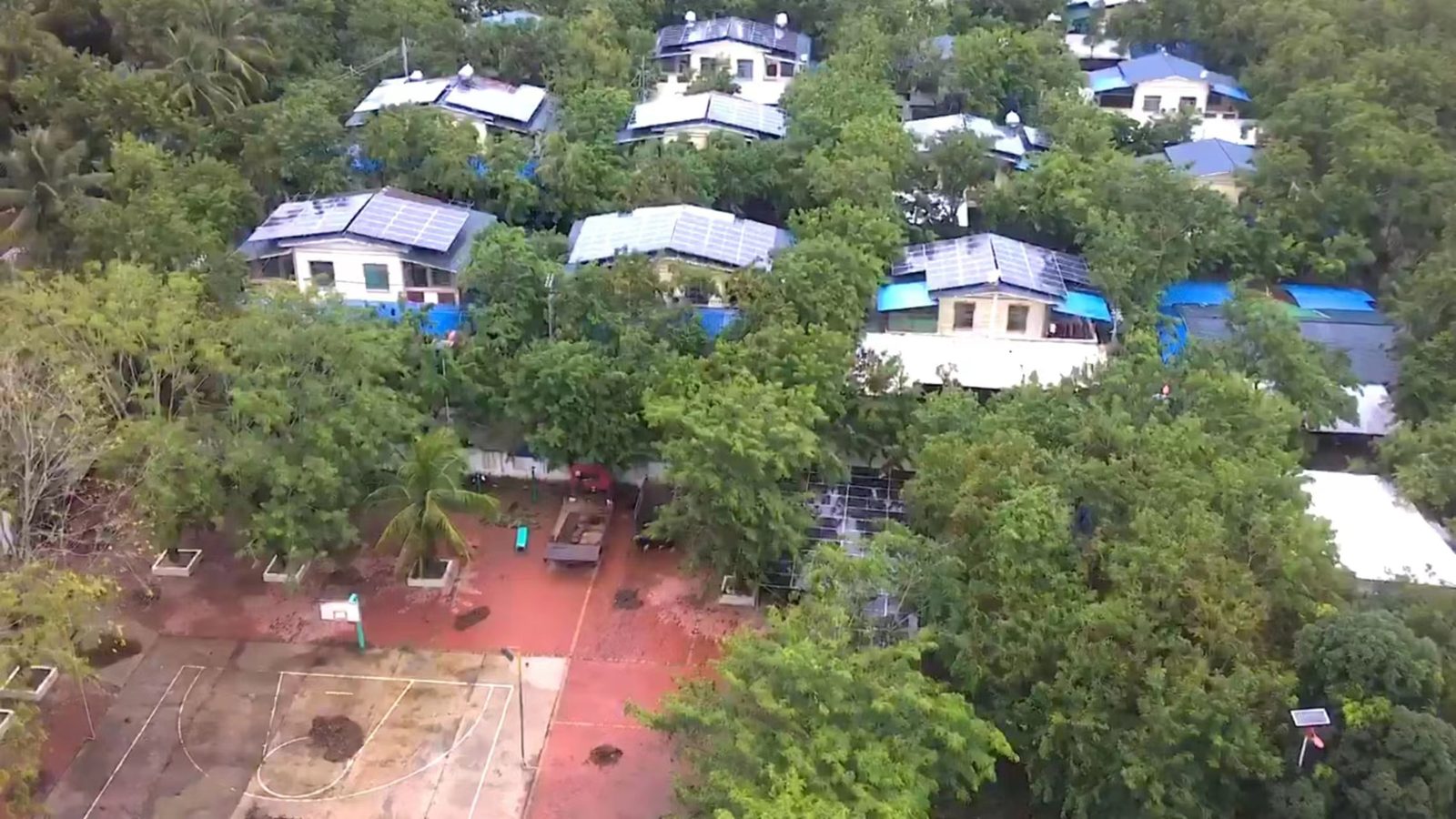
Case Study: Sunlight Empowering Rural Areas, Photovoltaics Illuminating Livelihoods — A Record of the Household Rooftop PV Project in Hainan336 words
Dongfang City in Hainan is rich in rural solar resources, yet has long faced the predicament of a clean energy supply gap: local villagers' production and daily life completely relied on traditional thermal power, with high electricity costs, while the abundant solar resources and idle rural household rooftops remained effectively undeveloped.
To activate rural green resources and address the clean energy supply shortfall, CNE leveraged its industrial strengths and professional capabilities to participate in and promote the implementation of the household distributed PV project in Dongfang City. The Group coordinated planning and adopted a scientific layout, uniformly installing PV modules on villagers' self-owned rooftops and public-area rooftops across villages, and building a safe, stable, intelligent, and efficient household PV power generation system.
It simultaneously completed the full-process work of grid connection, grid-connection acceptance, and O&M assurance, ensuring efficient progress and reliable operation, allowing every village household to enjoy the dividends of clean energy for free and thoroughly leaving behind the old situation of clean energy deprivation in rural areas.
After the project was commissioned, the energy structure of Dongfang's rural areas achieved an all-round upgrade; daily lighting and household appliance use can now rely on PV clean energy, making electricity greener, safer, and more convenient. At the same time, through a scientific revenue distribution mechanism and a long-term O&M service system, the Group promotes the stable grid connection and continuous revenue generation of PV power, turning idle rooftops into a genuine "treasure basin" for villagers to increase their income.
From "no clean energy available" to "green electricity entering households," and from "idle and wasted resources" to "sunlight continuously monetized," the Group has practiced its corporate social responsibility through concrete actions, helping the household PV project in Dongfang, Hainan become a livelihood project for the green and low-carbon transformation of rural areas, and moreover a prosperity-generating project that empowers villagers to increase income and supports rural revitalization.
Investing in Infrastructure to Improve Clean Energy Accessibility
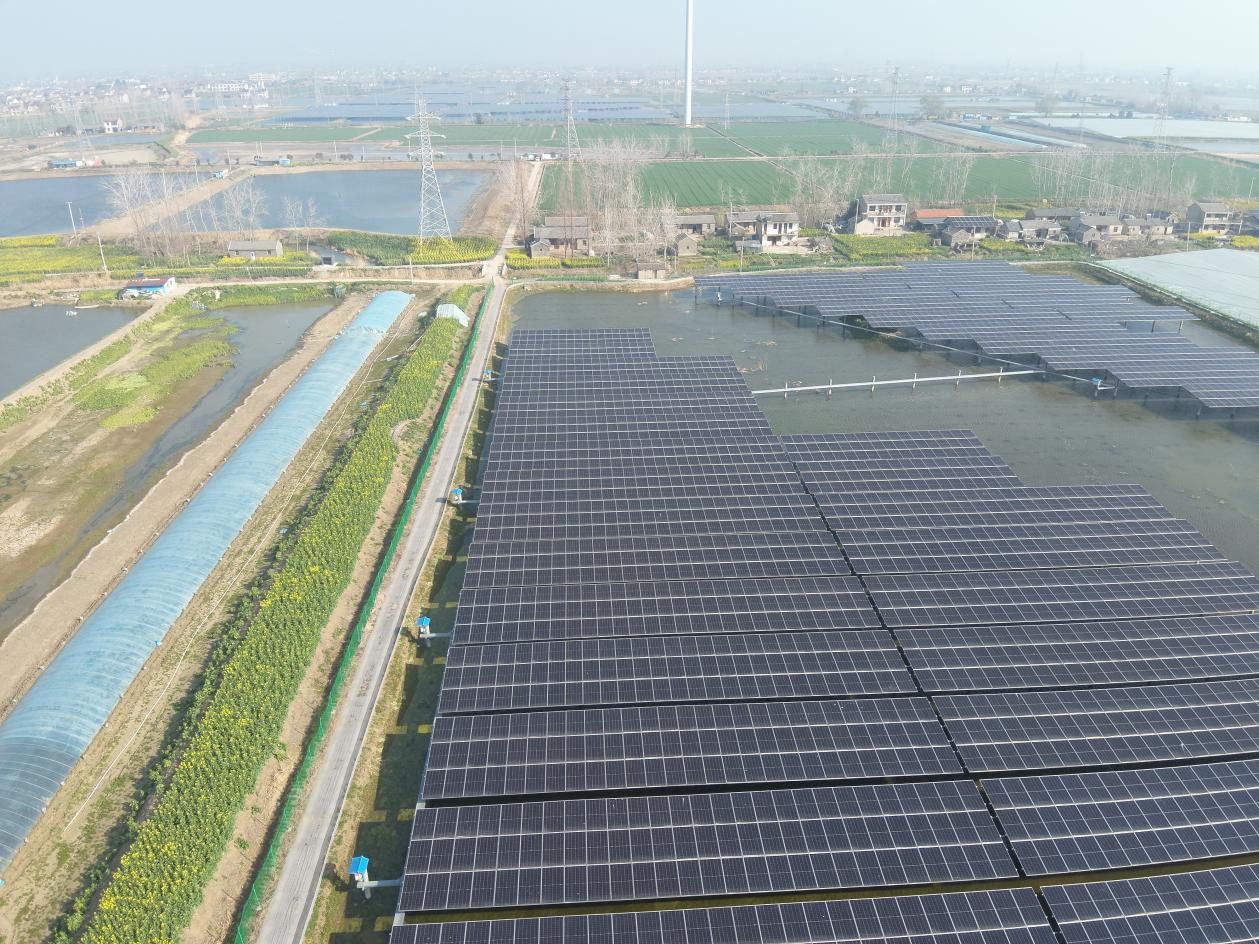
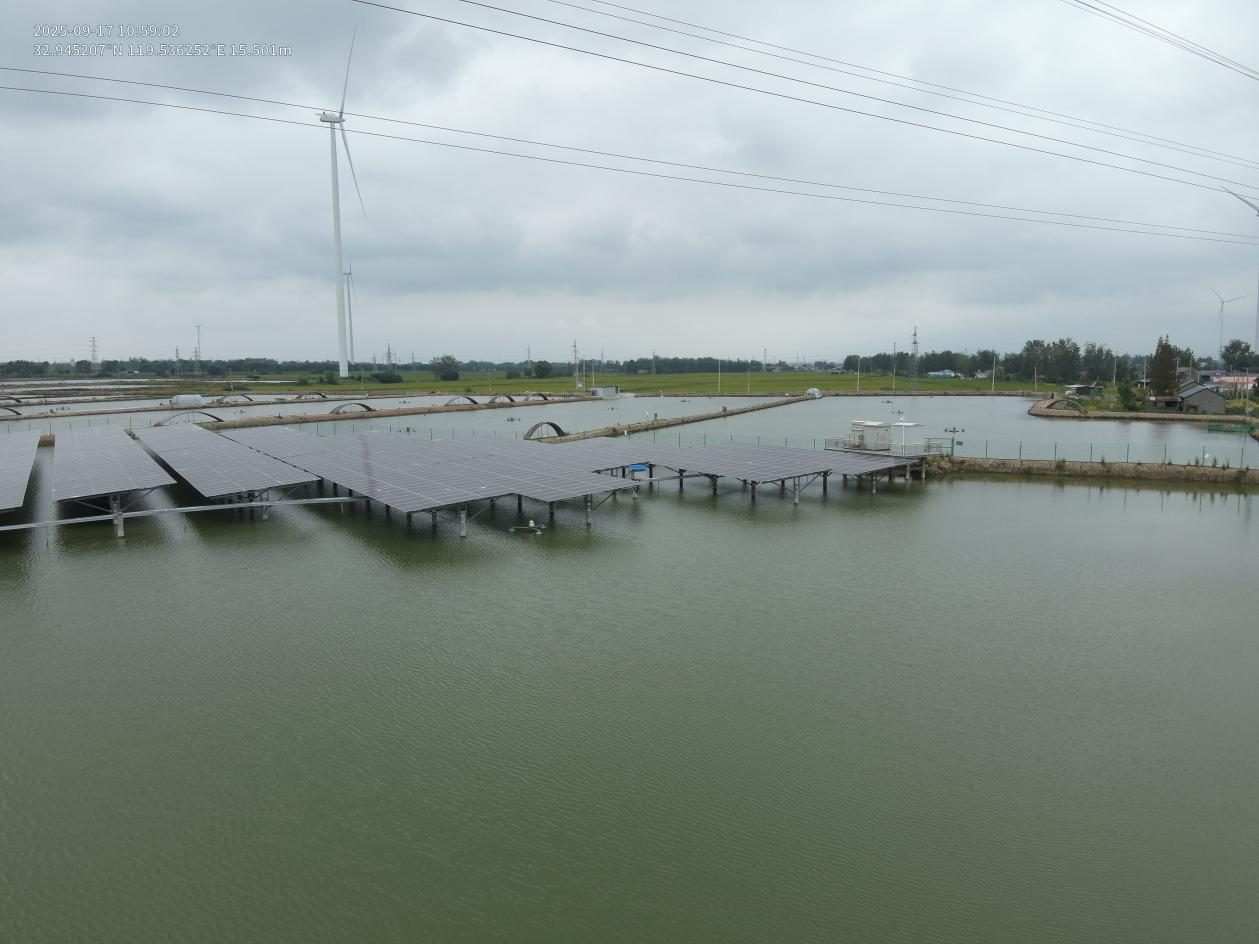
The Group not only actively practices the integration of agriculture, animal husbandry, and ecology, but also deeply integrates clean energy development with rural governance, exploring diversified and sustainable community win-win models. On the one hand, through public welfare initiatives such as funding village bridge and road repairs and the renovation of farmland irrigation facilities, we consolidate the hardware foundation for rural development. In underserved and marginalized areas, the Group's Solar-Storage Power Station project in Xizang is equipped with supporting power infrastructure to enhance the stability of residential electricity supply in surrounding areas, effectively alleviating power shortages in marginal regions. The 100MW fishery-solar complementarity project in Jiangsu, together with the local village collective, built approximately 5.6 km of access roads under a "one road, dual use; jointly built and shared" model, catering to both power station O&M and the feeding, fishing, and aquatic product transport needs of farmers, thereby improving the production infrastructure of the area.
Energy–Water Interconnected Projects
The Group advances the coordinated and integrated management of energy and water resources through fishery-solar complementarity projects. The 100MW fishery-solar complementarity project in Jiangsu, comprehensively develops 1,910 mu of land (including 1,430 mu of effective aquaculture water surface), generating 170 million kWh in 2025 with annual fishery revenue over RMB 1 million, achieving the integration of green energy and modern fisheries. The project company and the village collective jointly promote ecological aquaculture, strictly controlling the use of fisheries medicines and feeds. PV module cleaning directly uses pond water without any added detergents, and the cleaning water flows back into the ponds; aquaculture tailwater is returned to the ponds for reuse after ecological restoration, and combined with the reduction of water surface evaporation under PV panel coverage, saves approximately 2.3 million m³ of water annually. At the Group level, water-saving cleaning technologies such as dry cleaning and micro-water cleaning are also adopted for modules; construction wastewater is treated and reused for site dust suppression and vehicle washing, and domestic sewage is treated and used for greening irrigation within the project area, achieving intensive water resource utilization.
Stakeholder Engagement Programs
CNE attaches great importance to the rights and interests of communities where projects operate. It has formulated and published the Stakeholder Engagement Policy applicable to all local operations, and established a full-cycle community communication mechanism covering the pre-project, construction, and operation phases of all local operations, ensuring that the expectations and demands of local governments and community residents are fully identified, respected, and responded to.
For more information on providing clear communication channels for local stakeholders, conducting capacity building, regularly surveying local stakeholders' perceptions of the engagement strategy, meeting with local stakeholders, tracking grievances, and related activities, please refer to the "Community Integration and Development" chapter of CNE's 2025 ESG Report.